
The Role of Mulch in Landscape Stability
Landscaped areas are prone to erosion, which can wash away soil and plants. This is a challenge for many garden enthusiasts and property owners who want their landscapes to remain vibrant and intact. One effective way to combat this issue is by using mulch. Mulch not only enhances the appearance of gardens but also plays a crucial role in preventing soil erosion. Understanding how mulch achieves this can help you maintain healthy and stable landscaped areas.
What Is Erosion and Why It Matters?
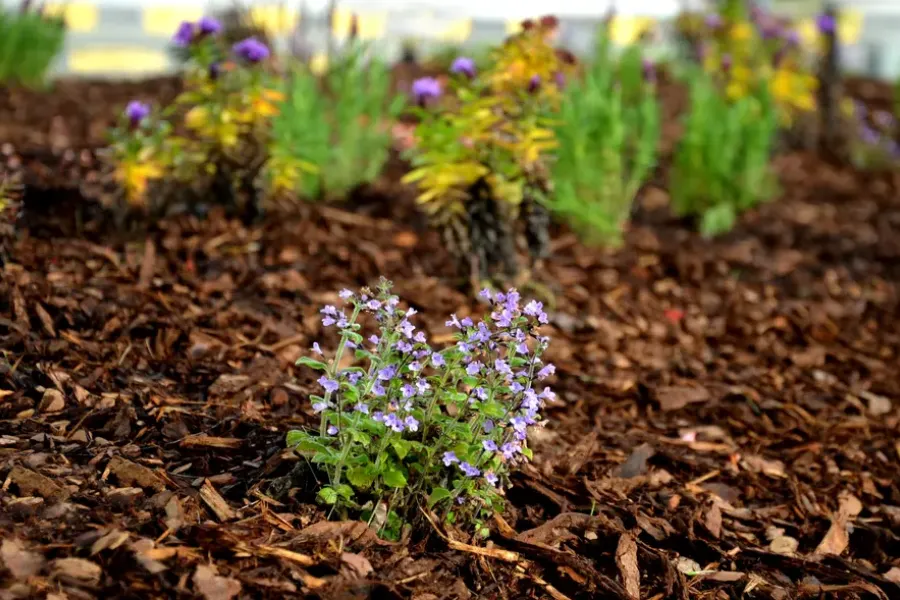
Erosion occurs when natural forces like water or wind displace soil particles. In landscaped areas, this can lead to the loss of topsoil, which is essential for plant health. Without this vital layer, plants struggle to grow, and landscapes lose their lushness. By addressing erosion, you protect your investment in landscaping and ensure the long-term beauty of your outdoor space.
The Protective Layer: How Mulch Works
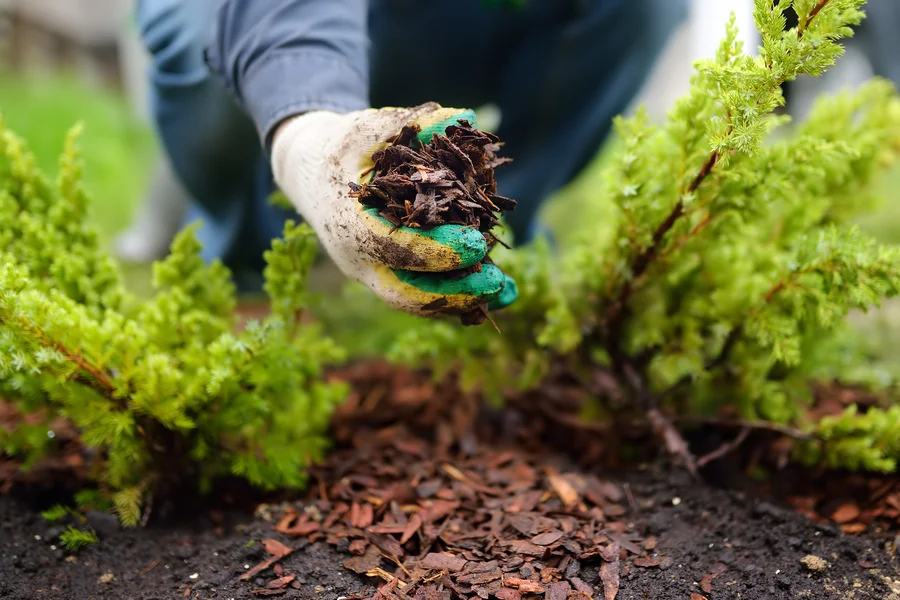
The process of mulching involves covering the soil with materials such as wood chips, straw, or compost. This layer helps prevent erosion by slowing down water runoff and reducing soil displacement. The mulch absorbs rainwater, allowing it to seep slowly into the ground rather than washing soil away. Additionally, it acts as a barrier against harsh winds that could otherwise blow loose dirt away.
Benefits Beyond Erosion Control
Mulching offers several advantages besides erosion prevention. It helps retain moisture in the soil, reducing the need for frequent watering. This practice also minimizes weed growth by blocking sunlight from reaching weed seeds. Furthermore, as organic mulch decomposes, it enriches the soil with nutrients, promoting healthier plant growth.
Types of Mulch Suitable for Landscapes
- Organic Mulch: Includes materials like bark, wood chips, and straw. These options decompose over time, adding nutrients back into the soil.
- Inorganic Mulch: Comprised of stones, gravel, or landscape fabric. While they don’t add nutrients, they are durable and require less maintenance.
Steps to Implement Effective Mulching
- Choose the right type of mulch based on your landscape needs and preferences.
- Clear the area of weeds and debris before applying mulch.
- Spread a layer of mulch about two to four inches thick around plants, ensuring it’s even.
- Avoid piling mulch against plant stems or tree trunks to prevent rot.
- Replenish mulch annually to maintain its benefits.
Common Challenges With Erosion Control Methods
While mulching is an effective method for preventing erosion, there are challenges to consider. Using too much mulch can suffocate plant roots or create habitats for pests. Choosing inappropriate materials can also impact the visual appeal of your garden. Therefore, selecting the right type and amount of mulch is crucial for achieving desired results without adverse effects.
Conclusion: Maintaining Your Landscaped Area
By understanding how mulch helps in preventing erosion in landscaped areas, you can protect and beautify your outdoor spaces effectively. Making informed choices about materials and application techniques ensures that your landscape remains both functional and attractive. For more personalized advice tailored to your specific needs, contact us at A.J.A Landscaping LLC. We serve clients throughout Canton, GA and can help you achieve stunning results in your garden projects. Call us today at (404) 641-2329 to learn more about our services.